


Have you ever considered acupuncture to help support you through and beyond the menopause? It’s a fascinating option for women at this stage of life, focusing on restoring balance across the body’s different systems, something many of us need during times of hormonal change.
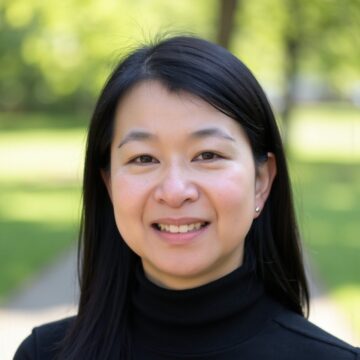
This month’s guest is acupuncturist and Chinese medicine practitioner Lily Lai, PhD. With a special interest in women’s health, she guides us through the ins and outs of this ancient therapy — from its origins and how it works, to what the research says about its effectiveness.
We also explore how acupuncture may help with a range of menopause-related symptoms, from stress and sleep to overall wellbeing. Along the way, we touch on its broader role in pain management, and discuss emerging insights into how it could support people with ADHD.
It’s definitely worth a listen if you’re curious about new ways to support your health during menopause.
Show Notes
Find out more about Lily and her work on her website, where you can book a consultation with her.
Follow Lily on Instagram.
Visit The British Acupuncture Council, where you can find an accredited practitioner local to you.
Visit the Register for Chinese Herbal Medicine to find a practitioner.
Biography
Lily Lai is based in Manchester and is a clinician–researcher, practicing acupuncture and Chinese herbal medicine for 21 years in the UK.
She was awarded a prestigious NIHR research fellowship to carry out her PhD on the use of Chinese Medicine in UK primary medical care at the University of Southampton. Her academic journey began initially exploring the topic of polycystic ovary syndrome (PCOS)-related fertility and metabolic health concerns.
What has followed since then has been a longstanding fascination with integrative medicine and looking into bridging the gaps between the principles of traditional Chinese medicine, the ever-changing landscape of scientific evidence and what our time-tested modalities can offer for areas of high unmet clinical need.
Lily has worked in NHS pain clinics and alongside GPs, fertility consultants, consultant gynaecologists and oncologists. Amongst this clinical and academic landscape, she has seen how hugely under-researched women’s health is and continues to lecture internationally on evidence-based medicine and advocate for evidence-informed decision-making to integrated medicine.
If you've listened to my podcast(s) I'd love to hear what you think.
